The Benefits of Colored Lime Plaster Finish Over Traditional Painting for Walls
The Benefits of Colored Lime Plaster Finish Over Traditional Painting for Walls
COLORED LIME PLASTER

Understanding Lime Plaster and Its Historical Significance
Lime plaster, a building material composed of lime, water, and aggregates, has been used for centuries as a durable and aesthetically pleasing wall finish. Unlike traditional painting, which predominantly relies on synthetic chemicals and pigments, lime plaster's natural ingredients contribute to its unique qualities. The primary ingredient, lime, is derived from limestone by calcination, producing a versatile binder that hardens upon exposure to air. This characteristic allows lime plaster to breathe, regulating humidity and helping to maintain a comfortable indoor environment.
Historically, lime plaster has played a vital role in architectural traditions across various cultures. Ancient Greeks and Romans employed lime plaster in their magnificent structures, using it not only for functional purposes but also as a decorative technique to create stunning frescoes. The elegance of lime plaster allowed artisans to express their creativity, as it can be tinted with natural pigments, resulting in a rich palette of colors and textures. Regions such as Italy, where lime plaster techniques advanced through the Renaissance, showcase their enduring significance in both artistic and functional applications.
Over the years, the popularity of lime plaster has fluctuated, particularly with the rise of modern painting techniques that prioritize convenience and speed. However, in recent times, there has been a notable resurgence of interest in lime plaster due to its sustainability and aesthetic appeal. Eco-conscious consumers and designers are recognizing the benefits of lime plaster finishes, which not only enhance the visual quality of walls but also contribute to a healthier living environment. The revival of traditional materials underscores a broader movement towards sustainable practices in interior design, making lime plaster a relevant choice for contemporary spaces.
Aesthetic Advantages of Colored Lime Plaster
Colored lime plaster offers a remarkable array of aesthetic benefits that distinguish it from traditional painting techniques. One of the most significant advantages is the vast selection of colors and textures that can be achieved. Unlike standard paints that often have a limited palette, lime plaster can be tinted with a wide range of natural pigments, allowing for both vibrant and muted tones. This flexibility enables homeowners and designers to create stunning visual statements that complement both contemporary and traditional decor styles.
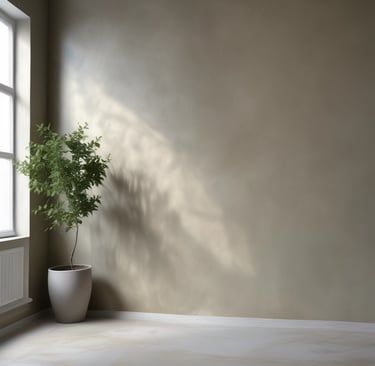
The unique matte finish of colored lime plaster significantly contributes to a space's ambiance. It imbues walls with a warm, inviting quality that enhances a room's overall comfort. In contrast to the shininess of many paints, the subtle, non-reflective surface of lime plaster absorbs light, creating an atmosphere that feels both relaxed and sophisticated. This characteristic makes lime plaster an ideal choice for spaces intended for relaxation, such as living rooms and bedrooms, where a serene environment is desirable.
Moreover, lime plaster allows for creative expression through various application techniques, resulting in textures that paint cannot replicate. For instance, artisans can employ techniques such as troweling and smoothing to produce distinct finishes ranging from rough textures to silky smooth surfaces. These unique finishes not only add visual interest but also depth and character, turning walls into distinctive art pieces. The customizable nature of colored lime plaster can transform a simple wall into a stunning focal point, elevating the aesthetic value of any interior setting.
In conclusion, the aesthetic advantages of colored lime plaster are substantial, offering a range of colors and textures that enhance the visual appeal and warmth of interiors. Its natural characteristics allow for unique finishes that traditional paint cannot achieve, making it a compelling choice for any design vision.
Eco-Friendly and Health Benefits
Colored lime plaster stands out as an environmentally-friendly alternative to conventional painting techniques. Its natural composition primarily consists of sand, water, and limestone, which are abundant and non-toxic. In contrast, many traditional paints contain synthetic chemicals and heavy metals that contribute to environmental degradation. The manufacturing and disposal of these paints can significantly harm ecosystems, while lime plaster relies on natural processes and has a smaller ecological footprint.
One notable health advantage of colored lime plaster is its low VOC (Volatile Organic Compounds) emissions. Traditional paints often release VOCs during application and throughout their lifespan, leading to poor indoor air quality. Prolonged exposure to these compounds can have detrimental health effects, including allergies, respiratory issues, and other chronic conditions. Conversely, lime plaster is virtually free of VOCs, making it a safer choice for both application and long-term use in homes and commercial spaces.
Additionally, lime plaster exhibits remarkable breathability, allowing moisture to be regulated within walls. This characteristic helps prevent the buildup of mold and mildew, common issues with conventional paint that can contribute to allergic reactions and respiratory problems. By promoting a healthier indoor environment, colored lime plaster enhances occupants' well-being.
Using colored lime plaster also supports sustainable living as it is a renewable resource. By choosing this natural option, homeowners help reduce the demand for non-renewable materials found in paints. Moreover, lime plaster can be reapplied or restored easily, extending the finish's longevity and minimizing waste. In this way, colored lime plaster not only elevates aesthetic appeal but also champions eco-friendly practices that foster a healthier living space and contribute positively to the environment.
Durability and Maintenance of Lime Plaster vs. Paint
When comparing colored lime plaster finishes to traditional painted walls, the differences in durability and maintenance are significant. Lime plaster is renowned for its exceptional longevity, often outlasting painted surfaces by decades. This remarkable durability stems from the natural properties of lime, which, unlike conventional paint, allows walls to breathe. This breathability helps to regulate moisture levels, thereby reducing the risk of damage from trapped humidity or condensation.
Another noteworthy advantage of lime plaster is its resistance to mold and mildew. Unlike paint, which can contribute to a damp environment that fosters mold growth, lime plaster has inherent anti-fungal properties. This makes it particularly suitable for areas prone to moisture, such as bathrooms and kitchens. The natural alkalinity of lime plasters creates an environment unfavorable to mold and mildew, ensuring the aesthetic appeal of the walls is maintained over time.
In terms of maintenance, colored lime plaster requires significantly fewer touch-ups than painted walls. While paint may chip or fade, necessitating ongoing repairs or repainting, lime plaster can self-repair minor cracks. This self-healing property is especially advantageous for homeowners, as it can reduce the cost of regular maintenance. Furthermore, when extensive repairs or reapplication are required, lime plaster can be applied directly to existing surfaces without the need for extensive preparatory work.
Ultimately, colored lime plaster finishes offer a cost-effective solution in the long run. The initial investment is often higher than traditional paint; however, the longevity and reduced maintenance needs lead to lower costs over time. Homeowners can find comfort in lime plaster's resilience, knowing their walls will remain beautiful and intact for many years to come.